
Few medications have accumulated as much cultural baggage as ivermectin. To some people, it became shorthand for dangerous COVID misinformation and images of people buying horse paste from feed stores. To others, it became almost the opposite: a cheap, generic human medication supposedly discredited because governments, pharmaceutical companies, and medical institutions had financial or political reasons to suppress it. More recently, many of the same arguments have migrated into cancer treatment and online “parasite cleanse” communities. Depending on which corner of the internet someone occupies, ivermectin may be described as a veterinary dewormer nobody should ever take, a Nobel Prize-winning wonder drug being deliberately ignored, a broad-spectrum antiviral, a cancer treatment hidden by the pharmaceutical industry, or something healthy people should periodically take to rid themselves of parasites they probably do not actually have.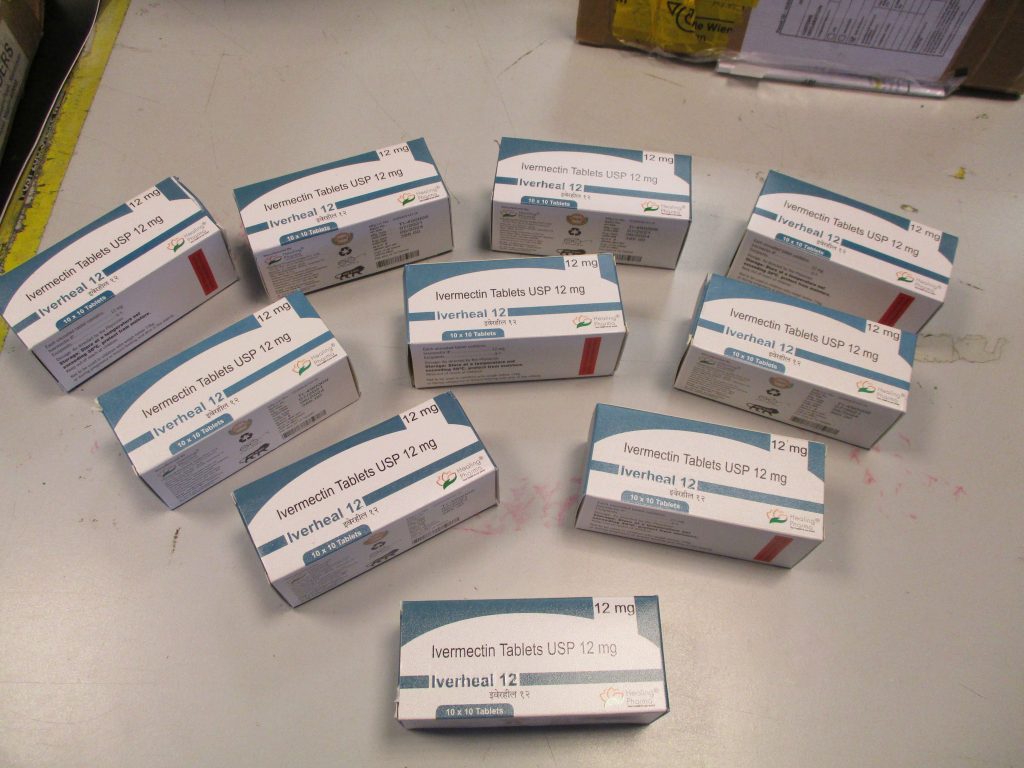
All of those descriptions contain enough fragments of truth to make the misinformation unusually durable. Ivermectin is extensively used in veterinary medicine. It is also legitimate human medicine. Its development did contribute to a Nobel Prize. It has been administered to enormous numbers of human beings, particularly through global programs targeting neglected tropical diseases. Laboratory studies really have demonstrated antiviral and anticancer effects. Physicians generally can prescribe approved drugs off-label when they believe doing so is medically appropriate. The FDA really did use glib “you are not a horse” messaging that blurred the difference between human and veterinary ivermectin, and the agency later settled litigation involving those statements. There really are researchers currently studying ivermectin in human cancer trials. None of those facts, however, demonstrate that ivermectin successfully treats COVID-19, that people with cancer should take it outside clinical trials, or that periodic self-administered ivermectin is a rational way to “cleanse” the body of unspecified parasites.
That distinction is what makes ivermectin worth examining in detail. This is not really a story about whether one drug is good or bad. It is a story about how scientific hypotheses become medical claims, how early evidence can outrun better evidence, how legitimate distrust can be commercially exploited, how regulatory agencies can make their own communication mistakes, and how difficult it becomes to correct a medical belief after it has merged with a person’s political or cultural identity. For preparedness-minded people in particular, the subject also illustrates why possessing medications is not the same thing as understanding them. A drug has a pharmacologic target, a dose, a formulation, an indication, contraindications, adverse effects, interactions, and a level of evidence supporting a particular use. Removing those details turns medicine into little more than brand loyalty.
The Drug Before the Culture War
Ivermectin’s history begins decades before COVID-19 and does not begin with horses. During the 1970s, Japanese microbiologist Satoshi Ōmura collected and cultured Streptomyces bacteria from soil while searching for biologically active natural compounds. Cultures were sent to William C. Campbell’s laboratory at Merck, where researchers discovered that material produced by one strain had extraordinary activity against parasitic worms. The resulting class of compounds was called avermectins. Chemical modification produced ivermectin, which proved highly effective against numerous internal and external parasites and entered veterinary medicine in the early 1980s. (Nobel Assembly; Campbell et al.)
Researchers quickly recognized that the drug might have important human applications. Campbell proposed investigating ivermectin against Onchocerca volvulus, the filarial worm responsible for onchocerciasis, or river blindness. Human clinical trials began in Dakar in 1981, and ivermectin proved capable of sharply reducing the microscopic larval forms responsible for much of the disease’s pathology. Merck established the Mectizan Donation Program in 1987 and committed to providing ivermectin for onchocerciasis control “as much as needed, for as long as needed.” Decades later, the program had donated billions of treatments, and the World Health Organization still identifies population treatment with ivermectin as the core strategy for eliminating onchocerciasis in endemic regions. (Merck; World Health Organization)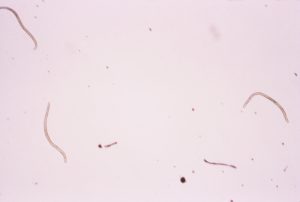
In 2015, Campbell and Ōmura received half of the Nobel Prize in Physiology or Medicine for discoveries leading to therapies against infections caused by roundworm parasites. That award was not symbolic. Ivermectin helped change the public-health trajectory of diseases capable of causing chronic skin disease, disability, and blindness across large populations. In January 2025, the World Health Organization verified Niger as the first country in its African Region to eliminate transmission of onchocerciasis, an achievement built through decades of vector control, surveillance, and mass antiparasitic treatment that included ivermectin. (Nobel Assembly; World Health Organization)
The United States has also recognized ivermectin as human medicine for decades. Oral Stromectol received FDA approval in 1996 for strongyloidiasis and onchocerciasis. Current human prescription ivermectin tablets remain FDA-approved for those infections, while topical human formulations have indications including head lice and rosacea. Oral ivermectin is also used off-label for certain additional parasitic conditions, including scabies. CDC guidance identifies ivermectin as first-line treatment for strongyloidiasis and the treatment of choice for onchocerciasis. (FDA; DailyMed; Centers for Disease Control and Prevention)
Calling ivermectin merely a “horse dewormer” is therefore historically and medically inaccurate. The same active molecule can have legitimate applications in different species, just as numerous antibiotics, anesthetics, hormones, analgesics, and other medications do. Veterinary use does not invalidate human pharmacology. At the same time, the fact that a molecule is legitimate human medicine does not establish that every proposed human use is effective. “Ivermectin is used in humans” and “ivermectin treats COVID-19” are two completely different scientific claims, and much of the public argument became confused because people treated them as though accepting or rejecting one required accepting or rejecting the other.
What Ivermectin Actually Does
For its established antiparasitic indications, ivermectin’s pharmacology is reasonably well characterized. Ivermectin binds with high affinity to glutamate-gated chloride channels found in the nerve and muscle cells of susceptible invertebrates. This increases membrane permeability to chloride ions, hyperpolarizes those cells, and disrupts neuromuscular function, producing paralysis and death in susceptible parasites. Mammals do not possess the same glutamate-gated chloride channels, ivermectin has comparatively low affinity for mammalian ligand-gated chloride channels, and under normal conditions the drug does not readily cross the human blood-brain barrier. Those differences help explain why doses capable of affecting certain parasites can generally be tolerated by humans. (DailyMed)
Even within parasitology, however, ivermectin is not a universal poison for everything we casually call a parasite. Its effectiveness varies by organism and even by developmental stage. The human drug label notes that ivermectin affects tissue microfilariae of Onchocerca volvulus but does not reliably kill the adult worms, while its effect on Strongyloides stercoralis is concentrated on particular intestinal stages. (DailyMed) Other human parasites require different medications entirely because “parasite” is an ecological description encompassing profoundly different organisms rather than one pharmacologic category.
That becomes important when online discussions reduce parasitology to the idea that everyone should periodically “deworm” themselves. Giardia is a protozoan and is not treated the same way as Strongyloides. Tapeworms belong to a completely different branch of animal biology and are commonly treated with drugs such as praziquantel. Pinworm can be treated with pyrantel pamoate, albendazole, or mebendazole. Schistosomiasis generally requires praziquantel. Scabies is caused by a mite and may be treated with topical permethrin or, in appropriate cases, oral ivermectin. A drug being described as “antiparasitic” tells us no more about its usefulness against every parasite than describing an antibiotic tells us it will treat every bacterium. (Centers for Disease Control and Prevention)
There is an additional safety lesson hidden within legitimate ivermectin use. CDC guidance specifically avoids presumptive ivermectin treatment in refugees from areas where Loa loa is endemic until a high microfilarial burden has been excluded, because ivermectin administered to a person with substantial loiasis can precipitate severe encephalopathy and, rarely, death. The human drug label likewise warns about serious neurologic reactions associated with heavy Loa loa infection and documents postmarketing reports of ivermectin-associated neurotoxicity. (Centers for Disease Control and Prevention; DailyMed) This does not mean ivermectin is an unusually dangerous medication. It means that even a widely used, generally well-tolerated drug can become hazardous when the diagnosis, host, parasite, dose, or clinical context changes.
Yes, Medicine Sometimes Treats Parasites Without Waiting for a Positive Test
There is another point worth addressing because skeptical readers may correctly notice that medicine does not always insist on laboratory confirmation before giving antiparasitic therapy. CDC currently recommends presumptive antiparasitic treatment for certain U.S.-bound refugee populations whose epidemiologic risk is sufficiently high. Depending on region of origin, eligible refugees may receive ivermectin for Strongyloides, albendazole for soil-transmitted helminths, and praziquantel for schistosomiasis before resettlement. (Centers for Disease Control and Prevention)
That might superficially resemble an internet “parasite cleanse,” but the reasoning is almost the opposite. The treatment is based on documented population prevalence, known target organisms, specific dosing, exclusion criteria, pregnancy considerations, body weight, regional epidemiology, and contraindications such as potential Loa loa infection. In some populations CDC specifically recommends not giving ivermectin presumptively because epidemiology changes the risk-benefit calculation. (Centers for Disease Control and Prevention)
This distinction matters because evidence-based medicine does sometimes treat empirically when the probability of disease is high enough and the intervention’s benefits outweigh its risks. Emergency medicine does this constantly. Antibiotics may be started before cultures return, anticoagulation may begin before every diagnostic detail is resolved, and antiparasitic treatment can be administered presumptively in appropriately selected high-risk populations. What makes those decisions medical is not merely the presence of a prescription drug. It is the structured assessment of probability, organism, exposure, treatment effect, and risk. Periodically taking ivermectin because fatigue, bloating, acne, food cravings, or “brain fog” have been attributed to unspecified parasites on social media does not follow the same reasoning.
Off-Label Prescribing Is Real, Legal, and Frequently Misunderstood
Another recurring ivermectin argument begins with a true statement: physicians in the United States can generally prescribe an FDA-approved human drug for a use that does not appear on its FDA-approved label when they judge that use medically appropriate. This is called off-label prescribing, and it is common throughout medicine. Pediatric medicine, oncology, critical care, psychiatry, anesthesia, and many other specialties routinely use medications off-label when clinical evidence and professional judgment support doing so. FDA itself currently acknowledges that health professionals may prescribe approved human drugs for unapproved uses in appropriate circumstances. (FDA)
The error occurs when “doctors may legally prescribe this off-label” becomes “therefore this off-label treatment has been proven to work.” Regulatory status and clinical efficacy are separate questions. A physician’s authority to prescribe a drug does not generate evidence for the prescription. Some off-label therapies are supported by excellent randomized trials and professional guidelines. Others are based on smaller observational studies, biologic plausibility, unusual circumstances, or individual clinical judgment. Some off-label uses ultimately prove ineffective.
During COVID-19, ivermectin’s off-label status became part of a larger argument about medical autonomy. Physicians who believed ivermectin was beneficial argued that regulators and hospitals were interfering with their ability to treat patients. Critics sometimes responded as though prescribing an unapproved indication were itself illegitimate. Both positions blurred an important distinction. A physician can have the legal authority to prescribe ivermectin for COVID-19 while the best available evidence simultaneously indicates that doing so does not improve COVID-19 outcomes. The legality of the prescription does not answer the pharmacologic question.
The Laboratory Experiment That Started the COVID Story
The scientific origin of the COVID-19 ivermectin story was not invented on Facebook. In April 2020, Leon Caly and colleagues published a short report in Antiviral Research after testing ivermectin against SARS-CoV-2 in cultured Vero-hSLAM cells. Researchers infected the cells and then exposed them to ivermectin. A single exposure at 5 micromolar produced an approximately 5,000-fold reduction in viral RNA measured after 48 hours. The authors concluded, appropriately, that ivermectin warranted further investigation for possible human benefit. (Caly et al.)
In early 2020 this kind of drug-repurposing experiment made sense. The pathogen was new, the world had no established SARS-CoV-2-specific therapy, and screening existing drugs with known human safety data offered a potentially faster route to treatment than designing an entirely new molecule. Remdesivir, dexamethasone, monoclonal antibodies, existing immunomodulators, anticoagulation strategies, HIV medications, antimalarials, antiparasitics, and many other interventions were investigated with varying levels of success. Most candidate treatments failed, which is normal in pharmaceutical research.
The Caly experiment became famous because its result sounded spectacular. A “5,000-fold reduction” in viral RNA is the kind of number that travels extremely well through headlines and social media. What often disappeared in transmission was the experimental concentration and the distinction between cultured cells and human pharmacology. The concentration producing approximately 50 percent inhibition, the IC50, was around 2 micromolar. Whether a drug can do something at 2 micromolar in a laboratory becomes clinically relevant only if a human body can achieve comparable exposure in the appropriate tissue without causing unacceptable toxicity.
That was the first major warning sign.
The Concentration Problem
Soon after the laboratory paper appeared, pharmacologists Virginia Schmith, Jie Zhou, and Lauren Lohmer compared the experimental concentration with known human ivermectin pharmacokinetics. They calculated that the approximately 2 micromolar IC50 reported against SARS-CoV-2, equivalent to roughly 1,750 nanograms per milliliter, was more than 35 times higher than the peak plasma concentration produced by a standard approved oral ivermectin dose. Because ivermectin is highly protein-bound, the concentration of pharmacologically free drug available to diffuse into tissues is smaller still. (Schmith, Zhou, and Lohmer)
The researchers modeled several substantially larger doses, including exposures far above ordinary antiparasitic use. Their simulations still did not predict plasma concentrations reaching the antiviral IC50. Even using a favorable estimate for ivermectin accumulation in lung tissue based partly on animal data, modeled lung concentrations remained below the experimental target, including with doses many times greater than ordinary approved dosing. (Schmith, Zhou, and Lohmer)
This pharmacokinetic issue does not prove that ivermectin could have no antiviral effect through any conceivable mechanism. Drugs sometimes have metabolites, tissue effects, immunomodulatory actions, or biologic mechanisms that are not perfectly predicted by simple plasma concentration comparisons. Clinical medicine ultimately cares about what happens to patients, which is why randomized trials were still appropriate. What the concentration problem did mean was that the original cell-culture result could not simply be translated into the claim that ordinary human ivermectin dosing should suppress SARS-CoV-2. The antiviral concentration observed in the laboratory and the concentrations realistically achieved in humans were separated by a very large pharmacologic gap.
That gap should have lowered confidence in ivermectin before the large clinical trials were completed. Instead, the spectacular laboratory result was often presented without the concentration problem, creating the impression that scientists had already demonstrated antiviral effectiveness and were merely refusing to acknowledge it clinically.
The Importin Hypothesis and the Cell Nucleus
The proposed mechanism became another source of confusion. Years before COVID-19, researchers had identified ivermectin as an inhibitor of importin α/β-mediated nuclear transport. Importins are proteins involved in moving selected molecules through nuclear pores from the cytoplasm into the nucleus. In a 2012 laboratory study, ivermectin interfered with this pathway and inhibited replication of HIV-1 and dengue virus under experimental conditions. Those viruses or their proteins interact substantially with nuclear trafficking, giving researchers a plausible mechanism to investigate. (Wagstaff et al.)
When SARS-CoV-2 appeared, the importin literature helped generate hypotheses about ivermectin’s potential antiviral action. The basic idea was not fraudulent or absurd. Viruses frequently exploit host-cell machinery, and SARS-CoV-2 proteins interact with pathways involved in nuclear transport and immune signaling. Interfering with those pathways might theoretically alter viral replication or host responses. A laboratory hypothesis can therefore be reasonable even when it later fails clinically.
The simplified internet explanation, however, often became something like this: ivermectin blocks proteins from transporting viral material into the nucleus, therefore the coronavirus cannot reproduce. That description does not accurately describe the SARS-CoV-2 replication cycle. SARS-CoV-2 is a positive-sense single-stranded RNA virus. After entering a susceptible cell and releasing its genome, viral RNA is translated in the cytoplasm. The virus then reorganizes intracellular membranes, particularly membranes associated with the endoplasmic reticulum, into specialized replication organelles containing double-membrane vesicles. Viral RNA synthesis occurs within this cytoplasmic membrane-associated system, and newly produced virions are assembled through intracellular membrane compartments before release. (Wolff et al.)
SARS-CoV-2 therefore does not require its genome to enter the nucleus and replicate there. That does not make every importin-related hypothesis irrelevant, because viral proteins and host immune responses can still involve nuclear transport. It does mean that a statement such as “ivermectin stops COVID because it blocks the virus from reproducing in the nucleus” is biologically incorrect. The real proposed mechanism was considerably more indirect and uncertain, and once again required clinical evidence rather than a mechanistic shortcut.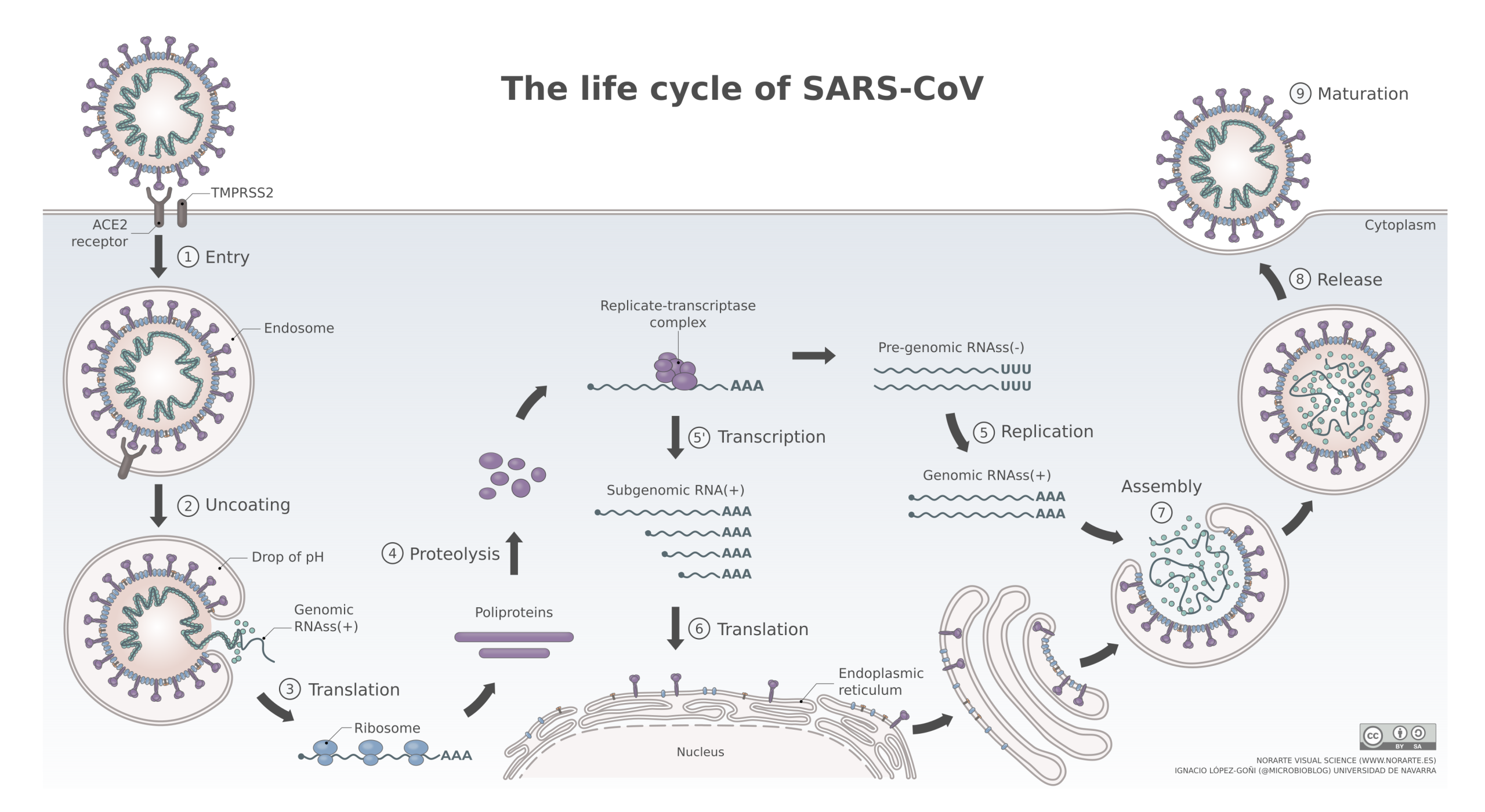
How a Scientific Hypothesis Became a Public Treatment
By late 2020 and early 2021, ivermectin had moved beyond laboratory discussion. Small clinical trials from multiple countries began reporting results, and several appeared remarkably favorable. Some suggested faster viral clearance, reduced hospitalization, or dramatic mortality reductions. Meta-analyses pooling these studies sometimes produced impressive overall effect estimates, and ivermectin proponents could therefore point not merely to anecdotes but to publications that appeared to constitute a growing scientific literature.
This is an important part of the history because it explains why many intelligent people became persuaded. Someone reading only the favorable studies in early 2021 could reasonably conclude that ivermectin deserved serious consideration. The problem was not that every supporter had ignored scientific evidence. The problem was that the quality and integrity of the evidence being aggregated were unusually unstable, and the most dramatic results were disproportionately influential.
One early meta-analysis led by Andrew Hill initially reported a large survival benefit. Hill and colleagues later reexamined that conclusion after serious problems emerged in several underlying trials. Their subsequent analysis in Open Forum Infectious Diseases stratified studies by risk of bias and potential fraud. When all 12 studies were included, ivermectin appeared to produce a significant survival benefit. After progressively excluding the potentially fraudulent and high-risk studies, the apparent benefit largely disappeared. Among the studies assessed as low risk of bias, the relative risk was approximately 0.96, essentially no demonstrated survival advantage. (Hill, Mirchandani, and Pilkington)
The lesson is not that meta-analysis is useless. Meta-analysis is extraordinarily valuable when the underlying studies are reliable and sufficiently comparable. The problem is that mathematical precision cannot repair fabricated records, broken randomization, selective reporting, or weak trial design. If several unreliable studies report spectacular benefits, combining them can produce a spectacularly precise estimate of something that is not real.
The Elgazzar Study and the Collapse of an Influential Result
One of the most consequential early ivermectin studies was a preprint led by Ahmed Elgazzar in Egypt. It reported extraordinarily large reductions in mortality among hospitalized COVID-19 patients receiving ivermectin. Because the study was relatively large and its effect size enormous, it carried substantial weight in several early meta-analyses. (Hill, Mirchandani, and Pilkington)
Independent researchers who obtained and examined the data found serious irregularities. Reporting by The Guardian documented concerns including apparent duplication of patient records, inconsistencies between the raw dataset and the published description, dates suggesting some patients had died before the study supposedly began, and substantial portions of text that appeared plagiarized. The preprint was subsequently removed by Research Square because of ethical concerns. (The Guardian)
Nature Medicine later highlighted the episode as a warning about evidence synthesis during rapidly evolving emergencies. Researchers noted that the Elgazzar trial alone represented more than 10 percent of the overall effect in at least two influential meta-analyses. Other ivermectin trials also raised questions regarding randomization or duplicated data. (Lawrence et al.)
This history creates an uncomfortable but important distinction. It would be inaccurate to say that early meta-analyses showing ivermectin benefit never existed. They did. It would also be inaccurate to continue citing those numbers without acknowledging what happened when researchers investigated the underlying studies. The apparent strength of the early ivermectin literature was partly dependent on studies that later could not withstand basic scrutiny.
Cochrane addressed the problem directly when updating its systematic review. Investigators reexamined candidate trials for research integrity and excluded seven of the fourteen trials that had appeared in the previous review because they failed prespecified ethical or scientific criteria. The updated analysis included eleven trials involving 3,409 participants and concluded that available randomized evidence did not support ivermectin for treating or preventing COVID-19. (Cochrane)
The Large Trials Finally Arrived
The strongest response to questionable small trials is not institutional assertion. It is better trials. By 2022 and 2023, substantially larger randomized, placebo-controlled studies had tested ivermectin in the populations where advocates argued it should work.
The TOGETHER trial enrolled symptomatic SARS-CoV-2-positive outpatients at increased risk for disease progression across public-health clinics in Brazil. Participants could enroll within seven days of symptom onset and were randomized to ivermectin at 400 micrograms per kilogram daily for three days or placebo. Among 679 participants assigned ivermectin and 679 assigned placebo, the primary composite outcome of COVID-related hospitalization or prolonged emergency observation occurred in 14.7 percent of the ivermectin group and 16.3 percent of the placebo group. The relative risk was 0.90 with a Bayesian credible interval from 0.70 to 1.16, failing the trial’s threshold for superiority. Secondary outcomes likewise showed no important treatment effect. (Reis et al.)
Critics argued that treatment may have started too late. TOGETHER’s investigators had anticipated that issue and examined time from symptom onset. Among participants who began the regimen within three days of symptoms, they still found no evidence of benefit; the reported relative risk for the primary outcome was 1.14, with wide uncertainty spanning both possible benefit and harm. (Reis et al.) This does not prove that literally no conceivable earlier regimen could ever produce an effect, but it undermines the claim that the negative result can simply be dismissed because investigators waited until late disease.
The U.S. ACTIV-6 platform trial then evaluated ivermectin among outpatients with mild-to-moderate COVID-19. One regimen used approximately 400 micrograms per kilogram daily for three days and did not demonstrate a clinically meaningful improvement in sustained recovery. Researchers subsequently tested the objection that the regimen had been too weak by conducting another randomized trial using a targeted maximum dose of approximately 600 micrograms per kilogram daily for six days. That longer and higher-dose regimen again failed to demonstrate a meaningful reduction in recovery time compared with placebo. (Naggie et al.)
There is a detail here that anyone writing for skeptical readers should disclose rather than bury. In May 2024, JAMA issued a correction to the higher-dose ACTIV-6 analysis because 226 participants had been erroneously excluded from the original analysis. The investigators corrected the article, tables, figures, and supplement. That is not a trivial clerical typo and should be acknowledged when discussing the study. After correction, however, the substantive conclusion remained unchanged: among this largely vaccinated outpatient population, the corrected analysis still did not show a clinically meaningful improvement from higher-dose, six-day ivermectin. (JAMA)
This is a useful example of what responsible skepticism should look like. A study error is legitimate grounds for scrutiny. The appropriate next question is what happened after correction. In this case the error was publicly disclosed, the analysis was corrected, and the corrected result still did not demonstrate meaningful benefit. Treating the existence of a correction as proof that the opposite conclusion must be true would simply commit the same evidentiary mistake in reverse.
What About “Wrong Dose, Wrong Timing, Wrong Patients”?
One reason medical controversies survive negative trials is that there are nearly infinite ways to argue that the exact correct regimen has not yet been tested. Perhaps treatment needs to begin on day one rather than day three. Perhaps 400 micrograms per kilogram is inadequate. Perhaps six days is not long enough. Perhaps vaccinated patients respond differently. Perhaps the drug works only in combination with zinc, doxycycline, corticosteroids, vitamins, or another component of a protocol. Any one of those hypotheses is theoretically testable, but a hypothesis cannot be treated as established merely because every failed trial can be followed by another modification.
The ivermectin evidence eventually tested a fairly wide range of doses, durations, populations, geographic settings, and disease severities. TOGETHER evaluated relatively early high-risk outpatients and found no meaningful clinical benefit, including among those treated within three days. ACTIV-6 evaluated outpatient treatment and later deliberately increased both the dose and duration without producing a meaningful result. Cochrane reviewed multiple randomized trials with differing regimens and likewise did not identify convincing benefit. (Reis et al.; Naggie et al.; Cochrane)
There is still a narrow philosophical point worth preserving. Science almost never proves an absolute negative. It remains possible to invent a specific population, dose, timing window, drug combination, viral variant, or outcome for which ivermectin could theoretically produce some effect. The question for clinical medicine is whether enough evidence exists to justify treating real patients. After years of study, the evidentiary burden shifted dramatically. Advocates were no longer asking medicine to investigate a promising laboratory signal. They were asking clinicians to continue treating despite progressively stronger trials failing to demonstrate meaningful patient benefit.
At that point, continued certainty requires more than pointing out that another untested regimen could exist.
Safety Is More Complicated Than “Ivermectin Is Dangerous”
The safety debate also became polarized. Critics sometimes spoke as though ivermectin were an inherently toxic veterinary compound, while proponents responded that billions of doses had been administered worldwide and therefore the drug was obviously safe. Both statements remove the clinical context that determines drug safety.
At established antiparasitic doses in appropriately selected patients, ivermectin is generally well tolerated. Its decades of use against neglected tropical diseases support that conclusion. The current human label, however, includes warnings about neurotoxicity, including reports of somnolence, confusion, stupor, coma, seizures, and death, and notes rare postmarketing events such as severe skin reactions and hepatitis. Heavy Loa loa infection creates a particularly important risk of severe encephalopathy after microfilaricidal treatment. Ivermectin can also interact with other medications, including reports of increased INR when co-administered with warfarin. (DailyMed)
During the COVID-19 surge, population-level use departed sharply from ordinary antiparasitic prescribing. CDC reported that U.S. outpatient ivermectin prescriptions had averaged approximately 3,600 per week before the pandemic. By the week ending August 13, 2021, dispensing exceeded 88,000 prescriptions, roughly a 24-fold increase. Poison-control reports involving ivermectin also increased, including exposures to highly concentrated veterinary products. (Centers for Disease Control and Prevention)
This does not mean the typical human ivermectin prescription is likely to cause catastrophic poisoning. It means that the phrase “ivermectin is safe” requires the same qualifiers we apply to almost every medication: safe at what dose, in which formulation, for which patient, with which other medications, for how long, and for what indication? Acetaminophen is one of the most familiar medications in the world and can cause fatal hepatic injury when grossly overdosed. Insulin is lifesaving and can rapidly kill someone who does not need it. The existence of a wide therapeutic history does not make dose and indication irrelevant.
The FDA Made Its Own Communication Mistakes
Any serious account of the ivermectin controversy should also examine the institutions criticizing it. In August 2021, amid reports of people ingesting veterinary ivermectin, FDA published a widely shared social-media message stating, “You are not a horse. You are not a cow. Seriously, y’all. Stop it.” Additional FDA posts used similar horse imagery and language. The message was designed to discourage people from using veterinary formulations, but it also flattened an important distinction: ivermectin was not merely livestock medicine. FDA itself had approved human ivermectin decades earlier. (Fifth Circuit Court of Appeals)
The posts traveled far beyond a warning about veterinary products. Courts, pharmacies, hospitals, professional organizations, and news outlets cited or amplified the FDA’s messaging. Three physicians who prescribed human ivermectin off-label sued the agency, arguing that FDA had exceeded its authority by effectively directing how doctors should practice medicine. In 2023, the Fifth Circuit revived the lawsuit after a lower court had dismissed it, holding that the doctors had plausibly alleged that FDA had crossed the line between providing information and issuing medical recommendations. The decision did not find ivermectin effective against COVID-19. It addressed the scope of FDA’s statutory authority and allowed the litigation to proceed. (Apter v. Department of Health and Human Services)
FDA settled the case in March 2024. As part of the settlement it agreed to remove specified social-media posts and retire the earlier consumer update challenged in the lawsuit. The written stipulation explicitly stated that the settlement and removals constituted no admission of wrongdoing, misconduct, liability, or any issue of fact or law. (Apter settlement)
This matters because the settlement has subsequently been presented online as though FDA had admitted that its scientific position on ivermectin was false. That is not what happened. The dispute concerned the agency’s messaging and authority, not the outcome of randomized ivermectin trials. FDA has since published a revised consumer page that openly states that ivermectin tablets are approved for specific human parasitic infections, acknowledges that physicians generally may prescribe approved drugs off-label, warns against using animal formulations, and states that currently available clinical trial data do not demonstrate effectiveness against COVID-19. (FDA)
There is a broader communication lesson here. The original horse messaging was memorable, but it was also unnecessarily dismissive toward people who knew, correctly, that ivermectin had a long history of human use. Once an institution caricatures a disputed position, it gives skeptical audiences a legitimate error to focus on and makes later correction more difficult. Public-health communication becomes less persuasive when ridicule substitutes for pharmacology, even if the underlying warning about swallowing veterinary medication was justified.
The Lawsuit Did Not Establish That Ivermectin Works
Because the FDA litigation is now common evidence in pro-ivermectin discussions, the distinction deserves to be stated precisely. The Fifth Circuit did not conduct a clinical trial, review viral clearance, compare hospitalization rates, or determine a pharmacologic mechanism. It considered whether physicians could pursue claims that FDA exceeded its statutory authority through particular public statements. The subsequent settlement required removal of those statements and ended the case without an admission of liability. (Apter v. Department of Health and Human Services; Apter settlement)
Whether a federal regulator exceeded its legal authority is a legal question. Whether ivermectin improves outcomes in COVID-19 is a clinical question. A person can reasonably believe that FDA’s messaging was inappropriate, that physicians should retain substantial discretion to prescribe off-label, and that randomized trials failed to show ivermectin benefit. Those positions are not contradictory.
This is an important pattern far beyond ivermectin. Court rulings frequently become evidence in scientific arguments even when the court was deciding standing, administrative authority, procedure, liability, or constitutional questions rather than scientific causation. Conversely, regulatory approval does not make every government claim infallible. Different institutions answer different questions. Understanding exactly what question was decided prevents a legal victory, regulatory decision, scientific paper, or news investigation from being stretched beyond what it actually establishes.
Follow the Money, but Follow It in Every Direction
Financial incentives are another major component of the ivermectin narrative. One popular explanation held that ivermectin’s low cost and generic status made it a threat to pharmaceutical companies developing patented antivirals and vaccines. Pharmaceutical conflicts of interest are a legitimate area of scrutiny. Drug companies seek profit, have paid enormous settlements for misconduct in other contexts, fund research, lobby government, and have obvious financial interests in products they manufacture. A skeptical reader does not need to pretend otherwise.
The problem is that suspicion was often applied asymmetrically. While many ivermectin advocates warned their audiences about pharmaceutical profits, an alternative commercial ecosystem was simultaneously developing around telemedicine consultations, prescriptions, pharmacies, subscriptions, donations, supplements, and media audiences built around unconventional COVID treatment.
A congressional investigation examined America’s Frontline Doctors and the telemedicine service SpeakWithAnMD. According to the House Select Subcommittee’s final report, more than 480,000 prospective patients registered on the SpeakWithAnMD platform between April and September 2021. Prospective patients appeared to have paid more than $6.7 million in consultation fees between July and September alone. The investigation also documented a referral arrangement under which Jerome Corsi was offered payments reportedly ranging from $5 to $20 for patients directed toward the telemedicine service. (U.S. House Select Subcommittee on the Coronavirus Crisis)
Investigative reporting by TIME described patients paying approximately $90 for telemedicine consultations before medication costs and traced prescriptions into online pharmacy networks. A subsequent TIME investigation into Ravkoo reported that the digital pharmacy network filled hundreds of thousands of prescriptions during the pandemic and generated millions of dollars in sales involving medications promoted for COVID-19, including ivermectin and hydroxychloroquine. (TIME)
The Federal Trade Commission separately sent cease-and-desist demands to marketers making unsupported COVID-treatment claims involving ivermectin and numerous other products. By January 2022, the FTC said it had sent similar health-related demands to more than 400 companies and individuals. (Federal Trade Commission)
None of this demonstrates that every physician who prescribed ivermectin was dishonest. It would be irresponsible to make that accusation. Many clinicians sincerely believed the early evidence suggested benefit, particularly during a frightening period when therapeutic options were limited and the literature changed rapidly. Some patients likewise reported experiences they sincerely interpreted as proof that the drug had helped them. Financial conflicts do not automatically invalidate medical claims any more than pharmaceutical profits automatically invalidate a successful drug trial.
What this history does establish is that the “cheap generic drug versus greedy pharmaceutical industry” framing was incomplete. There was substantial money available on both sides of the COVID treatment market. If financial incentives are evidence worth considering, then the same skeptical standard has to apply to the pharmaceutical corporation selling a patented antiviral, the telemedicine operation selling ivermectin access, the media personality building an audience around medical distrust, and the physician whose brand depends on occupying either side of the argument.
Financial motive can justify scrutiny. It cannot substitute for clinical evidence.
Why Feed-Store Ivermectin Is Not Human Ivermectin
The most visible safety issue during the pandemic involved veterinary ivermectin purchased from farm and feed stores. Here again, two opposing simplifications developed. One side treated any ivermectin use as equivalent to swallowing horse paste. The other correctly pointed out that the active molecule is still ivermectin and concluded that a veterinary product was therefore an acceptable substitute for a human prescription.
The active molecule may be the same, but the drug product is not interchangeable.
Veterinary ivermectin comes in formulations including oral equine paste, livestock drenches, pour-on liquids, injectables, chewables, and other species-specific products. A typical FDA-approved equine paste contains ivermectin at 1.87 percent and is packaged in a syringe intended to treat a horse weighing as much as approximately 1,250 pounds. The veterinary label is calibrated around equine body weight and explicitly states that it is for oral use in horses. (DailyMed)
Human prescription ivermectin, by comparison, is commonly supplied as precisely manufactured tablets containing 3 milligrams of ivermectin, with labeled human dosing for particular parasitic infections calculated by body weight. (DailyMed) This comparison is not an invitation to convert horse paste into human doses. It demonstrates why using a livestock syringe as though it were a substitute pharmacy bottle introduces unnecessary uncertainty into a medication that already exists in regulated human formulations.
Veterinary products may also differ in excipients, concentration, route of administration, delivery system, and the safety data supporting their formulation. A pour-on product intended to distribute drug through bovine skin is not interchangeable with a human oral tablet because someone has calculated the same number of milligrams of active ingredient. FDA has received reports of patients requiring medical treatment and hospitalization after self-administering ivermectin intended for animals and continues to advise that animal ivermectin formulations have not been evaluated for human safety. (FDA)
If ivermectin is medically indicated for a person, there is no pharmacologic advantage to bypassing human manufacturing and obtaining a veterinary formulation from Tractor Supply or a feed store. Human ivermectin exists. The rational approach is to use the human product through an appropriate medical and pharmacy channel.
The “50 to 150 Percent Potency” Claim Does Not Hold Up
I originally encountered another claim while looking into veterinary ivermectin: that FDA rules supposedly permit livestock medications to contain anything from roughly 50 percent to 150 percent of their stated active dose. If true, that would provide an obvious reason not to attempt human dosing from veterinary medication. The problem is that I could not substantiate the claim for approved veterinary ivermectin, and repeating it would simply replace one piece of misinformation with another.
FDA’s Center for Veterinary Medicine requires manufacturers seeking approval of animal drugs to provide chemistry, manufacturing, and controls information intended to assure the drug’s identity, strength, quality, purity, and manufacturing consistency. Generic approved animal drugs must likewise demonstrate appropriate equivalence to the reference product. (FDA Center for Veterinary Medicine) Certain regulations involving medicated animal feeds contain specific assay ranges, and those standards may be the origin of broader claims circulating online, but they do not establish that an FDA-approved ivermectin horse paste may casually contain half or one-and-a-half times the amount printed on the label.
The argument against human use of veterinary ivermectin does not need exaggeration. The product is formulated, tested, packaged, labeled, and dosed for another species. Some formulations contain enough drug to treat an animal weighing several times what a human weighs. Alternative routes such as drenches and pour-ons were never designed for human ingestion. Human pharmaceutical formulations are already available. Those facts are sufficient.
The “Parasite Cleanse” Has Become Its Own Industry
As COVID-specific ivermectin interest declined, the drug increasingly appeared in a broader online ecosystem built around “parasite cleansing.” Videos and testimonials attribute an extraordinary range of nonspecific complaints to undiagnosed parasites, including fatigue, abdominal distention, altered bowel movements, skin problems, headaches, difficulty concentrating, weight change, food cravings, insomnia, and anxiety. Because those symptoms are common across enormous numbers of medical conditions and normal experiences, almost anyone consuming enough of this content can find something that appears to apply to them.
Some online communities also circulate photographs of mucus, intestinal contents, plant fibers, or material passed after laxative and herbal regimens and identify those structures as parasites without laboratory examination. This creates a self-confirming cycle. A person is told that vague symptoms indicate parasites, takes something that changes gastrointestinal motility or stool composition, sees unusual material afterward, and interprets that material as proof the original diagnosis was correct.
Real parasitic disease is considerably more specific. Clinical evaluation starts with epidemiology and exposure. Travel or residence in endemic regions, untreated freshwater exposure, sanitation conditions, consumption of particular foods, contact with contaminated soil, animal exposure, immune suppression, eosinophilia, characteristic dermatologic findings, gastrointestinal syndromes, anemia, neurologic findings, or other clues influence which organisms are plausible. Testing then depends on the suspected parasite. Stool ova-and-parasite examinations may require multiple specimens because organism shedding can be intermittent. Giardia can be investigated with stool antigen or molecular testing. Strongyloides often requires serologic testing because ordinary stool examinations have insufficient sensitivity to reliably exclude infection. Blood smears, tissue examinations, imaging, and organism-specific testing may be necessary for other diseases. (Centers for Disease Control and Prevention)
Treatment then follows the organism rather than an abstract desire to become “parasite free.” Even the same drug may affect one life stage more effectively than another. Onchocerciasis illustrates this clearly: ivermectin dramatically reduces microfilariae but does not reliably eliminate adult O. volvulus worms, which is why patients may require repeated treatment over many years. (Centers for Disease Control and Prevention)
There is no evidence-based recommendation that healthy adults periodically take ivermectin to cleanse themselves of undefined parasites. There is evidence-based presumptive antiparasitic treatment in selected populations where prevalence and epidemiology justify it. Those are not contradictory statements. The difference is whether treatment is linked to a plausible organism and an evidence-based risk model.
Cancer Is the Next Ivermectin Battleground
Cancer claims are more complicated than the COVID evidence because the scientific story is still developing. Laboratory researchers have studied ivermectin against numerous cancer cell lines and animal tumor models. Proposed mechanisms include effects on Wnt/β-catenin signaling, Akt/mTOR signaling, mitochondrial function, oxidative stress, apoptosis, cancer stem-cell pathways, and immune interactions. Reviews of the preclinical literature describe genuine anticancer activity across multiple experimental systems. (Patel, Chawla, and Parmar)
This is not fabricated science. Drug repurposing is a legitimate oncology strategy, and cheap generic compounds occasionally do acquire important new indications. The problem is the enormous translational distance between showing that ivermectin affects a cancer cell culture and establishing that it improves survival, progression-free survival, tumor response, symptoms, or quality of life in people with cancer.
The phrase “kills cancer cells” is particularly misleading without context because an astonishing number of substances kill cancer cells under laboratory conditions. Alcohol, detergents, heat, concentrated salts, common chemicals, and innumerable investigational drugs will kill malignant cells in a dish. The hard problem in oncology is achieving a useful concentration in a living tumor while limiting damage to normal organs, accounting for metabolism, tissue penetration, drug interactions, tumor heterogeneity, resistance, immune effects, and the patient’s overall physiology.
A 2025 review in Current Oncology Reports concluded that ivermectin’s anticancer literature contained promising in vitro and animal findings but lacked conclusive large-scale human clinical evidence. The American Cancer Society similarly stated in May 2026 that ivermectin is not approved for any cancer and that no cancer-treatment guideline recommends it as established therapy. (Patel, Chawla, and Parmar; American Cancer Society)
That does not mean human research is nonexistent.
There Really Is a Human Ivermectin Cancer Trial
A Phase I/II study registered as NCT05318469 has been evaluating ivermectin in combination with immune checkpoint inhibition for metastatic triple-negative breast cancer. The trial combines ivermectin with balstilimab or pembrolizumab rather than testing ivermectin as a stand-alone cancer cure. Its early objectives include establishing tolerability and identifying an appropriate dose, followed by evaluation of outcomes such as objective tumor response, progression-free survival, overall survival, and clinical benefit. (ClinicalTrials.gov)
Preliminary results presented at the 2025 ASCO Annual Meeting described only nine accrued patients, eight of whom were evaluable for tumor response at that point. Among those eight, one had a partial response, one had stable disease, and six had progressive disease. Investigators reported that the combination appeared tolerable and considered the early clinical-benefit signal sufficient to continue studying the approach. (Yuan et al.)
Those numbers should be interpreted with considerable restraint. Nine patients cannot establish that ivermectin treats triple-negative breast cancer. There was no randomized ivermectin-only control group in that small early cohort, and the drug was being administered with immune checkpoint therapy, meaning a response cannot simply be attributed to ivermectin. The patients were also heavily pretreated, making the trial useful for safety and signal detection but unsuitable for broad conclusions about efficacy.
Another registered Phase 2 study, ICONIC, has been designed to examine ivermectin alongside immune-checkpoint inhibition in adults with solid tumors, including questions about immune modulation and potential microbiome effects. (ClinicalTrials.gov) Again, the existence of the trial proves that researchers consider the hypothesis worth testing. It does not prove the treatment works.
This distinction is exactly where social-media medicine frequently breaks down. A clinical trial is not confirmation. Trials exist because the answer is not known. If a trial ultimately demonstrates meaningful benefit, the evidence should be accepted regardless of ivermectin’s political history. If it fails, that result should also be accepted.
The COVID Narrative Is Already Migrating Into Oncology
There is evidence that public interest is affecting real cancer patients. An MD Anderson analysis presented at the 2026 ASCO Annual Meeting reviewed medication records from more than 416,000 patients seen over a decade and identified 2,187 patients with documented oral ivermectin use. Documented use increased from 66 patients in 2016 to 475 in 2025, and approximately three quarters of all documented use occurred from 2021 onward. The diagnostic pattern also shifted. Earlier use was concentrated more heavily among hematologic malignancies, while later years saw a substantial shift toward solid-tumor patients. (Neilson et al.)
Another MD Anderson analysis of patients with gastrointestinal cancers found hundreds of patients reporting non-prescription ivermectin or fenbendazole use. Researchers found 154 different reported ivermectin dosing and frequency patterns, illustrating how little standardization existed in self-directed use. The investigators could not determine where many patients obtained the drugs or how their regimens were selected. (Olutayo et al.)
A separate national electronic-health-record analysis presented at ASCO in 2026 found a rise in ivermectin medication records associated with cancer as the primary diagnosis following increased public attention, with growth particularly visible in patient-reported use. (Jiang, Jagsi, and Hu)
Those studies do not show that ivermectin harms every cancer patient taking it, and they do not determine why each individual was using the medication. They do demonstrate that the online cancer narrative is no longer theoretical. Patients with malignancies are already experimenting with ivermectin while the clinical evidence remains preliminary.
The major risk is not necessarily acute ivermectin poisoning. It is that a patient may alter, delay, or abandon a therapy with established survival benefit because laboratory evidence has been presented as though it were equivalent to human outcome data. Oncology already deals with narrow therapeutic windows, complex drug interactions, hepatic and renal impairment, immunotherapy toxicities, cytopenias, and rapidly changing disease. Adding uncoordinated medications can complicate that care even when the added drug would ordinarily be considered relatively safe.
Why Testimonials Are So Persuasive
Ivermectin claims are strengthened by something randomized trials can never completely eliminate from public discourse: personal experience. Someone develops COVID-19, takes ivermectin, and improves. Someone with cancer takes ivermectin alongside chemotherapy or immunotherapy and subsequently has a favorable scan. Someone takes a parasite cleanse, later feels better, and sees material in their stool that appears abnormal. These experiences can be sincere and emotionally compelling.
The problem is causal inference.
Most people with uncomplicated COVID-19 recover whether or not they receive ivermectin. If someone begins treatment when symptoms are peaking and improves over the following several days, normal disease resolution can easily be attributed to the drug. This is one reason randomized placebo-controlled trials are necessary. Without a control group, we do not know what would have happened to the same type of patient without treatment.
Cancer creates an even more difficult attribution problem. A person taking ivermectin may simultaneously be receiving chemotherapy, radiation, surgery, targeted therapy, immunotherapy, hormonal treatment, corticosteroids, or several interventions together. If the tumor shrinks, the improvement may be attributed online to the unconventional medication even when a well-established cancer therapy was being given simultaneously.
Parasite-cleansing anecdotes have similar limitations. Symptoms such as bloating, fatigue, bowel changes, and skin complaints fluctuate naturally and respond to diet, hydration, sleep, medications, stress, infection, and countless other variables. When treatment follows a self-diagnosis and improvement follows treatment, the sequence feels causal even though the underlying diagnosis was never demonstrated.
This does not mean patients are lying. Anecdotal experience is how medicine often first notices unusual effects. Case reports can generate valuable hypotheses. What anecdotes generally cannot do is determine treatment efficacy when spontaneous recovery, concurrent treatments, placebo effects, regression toward the mean, and selection bias are all operating simultaneously.
Why the Misinformation Became So Durable
Ivermectin arrived at a nearly perfect moment for a medical claim to become socially self-sustaining. The pandemic created fear, uncertainty, isolation, political conflict, rapidly changing science, enormous pharmaceutical profits, emergency government powers, vaccine mandates, disrupted medical care, and social-media systems optimized for emotionally engaging content. Meanwhile, legitimate scientific understanding changed in public view. Advice about masks, transmission, isolation, vaccines, and treatment evolved as evidence accumulated. Public officials sometimes communicated uncertainty poorly and sometimes spoke with more certainty than the data justified.
Distrust under those conditions is not irrational. Institutions have histories, conflicts, and incentives. Pharmaceutical companies have committed serious misconduct in the past. Regulatory agencies make mistakes. Professional organizations can become bureaucratic. News organizations simplify technical subjects. Government officials can politicize medical guidance. Social-media companies can enforce policies inconsistently. A person does not need to believe those institutions are infallible in order to evaluate ivermectin rationally.
The problem begins when distrust becomes directional rather than methodological. If FDA says something, it must be false. If a pharmaceutical company profits, its drug must not work. If mainstream journals reject a claim, censorship must be occurring. Meanwhile, a physician selling a telemedicine consultation, an influencer selling supplements, an advocacy organization collecting donations, or a personality monetizing an audience may receive considerably less scrutiny simply because they oppose the distrusted institution.
That is not skepticism. It is reassignment of trust.
A more durable skeptical method asks the same questions regardless of who makes the claim. Are the raw data available? Was the trial randomized? Was allocation concealed? Were outcomes selected in advance? Was the effect clinically important rather than merely statistically interesting? Could the concentration used in a laboratory ever occur in a patient? Have independent groups reproduced the result? What happened when larger studies were conducted? Were unfavorable trials published? Are there conflicts of interest? Are financial incentives disclosed? Does the mechanism match the known biology? Do the conclusions actually follow from the data?
Ivermectin’s COVID history becomes much easier to understand when those questions are applied consistently.
What Actual Antiviral Development Looks Like
The contrast with established COVID antivirals helps illustrate the difference between laboratory promise and clinical medicine. Remdesivir is converted within cells into an active nucleotide analog that interferes with the SARS-CoV-2 RNA-dependent RNA polymerase, a viral enzyme required for RNA replication. Nirmatrelvir, the antiviral component of Paxlovid, inhibits the SARS-CoV-2 main protease, preventing proper processing of viral polyproteins required for productive replication. Ritonavir is included primarily because it inhibits metabolism of nirmatrelvir and helps maintain effective concentrations. These mechanisms were not accepted as sufficient by themselves. The drugs also underwent pharmacokinetic evaluation and human clinical trials assessing meaningful outcomes.
Current CDC guidance as of February 2026 recommends considering antiviral treatment for patients with mild-to-moderate COVID-19 who have risk factors for progression to severe disease. Oral nirmatrelvir-ritonavir is generally started within five days of symptom onset when appropriate, while a three-day intravenous course of remdesivir can be initiated within seven days. Molnupiravir remains an alternative in selected adults when preferred options cannot be used. Eligibility, renal and hepatic function, pregnancy considerations, and drug-drug interactions affect treatment choice. (Centers for Disease Control and Prevention)
For a preparedness-minded person, the practical lesson is not to stockpile random antivirals and self-prescribe them. COVID antivirals work best when started within narrow time windows, and some, particularly nirmatrelvir-ritonavir, can have significant interactions with common medications. Someone at elevated risk who develops suspected COVID should test promptly and contact a licensed clinician, pharmacy, community health center, or health department rather than waiting until disease becomes severe. (Centers for Disease Control and Prevention)
The same scientific sequence applies beyond COVID. A candidate antiviral needs a biologically relevant target, activity at concentrations that can realistically be achieved in humans, tolerable pharmacokinetics, and controlled clinical evidence that meaningful patient outcomes improve. Ivermectin reached the stage of having an intriguing laboratory observation. It deserved investigation. The subsequent human evidence did not validate it as an effective COVID treatment.
That is not a scandal. Most investigational drugs fail somewhere along that path.
What the Evidence Does and Does Not Allow Us to Say
After stripping away the cultural argument, the evidence leaves a fairly clear picture. Ivermectin is a legitimate, historically important human and veterinary antiparasitic medication. It is highly effective for specific parasites and remains central to major global disease-control programs. Its Nobel-associated history is real. Human ivermectin is not equivalent to veterinary horse paste, and describing the entire drug as livestock medicine was misleading.
Ivermectin also demonstrated genuine in vitro activity against SARS-CoV-2, and researchers had a plausible preexisting hypothesis involving importin-mediated nuclear transport. Those observations justified clinical research. The concentration required for the original cell-culture antiviral effect, however, greatly exceeded exposure achieved through ordinary human dosing. SARS-CoV-2 replicates its RNA in cytoplasmic membrane-associated replication organelles rather than through an obligatory nuclear replication stage, making simplified claims about ivermectin blocking viral reproduction in the nucleus inaccurate. Subsequent clinical literature initially appeared favorable in part because several small studies reported large effects, but some influential studies later proved unreliable or raised serious data-integrity concerns. Better randomized trials using early, higher, and longer dosing regimens failed to demonstrate meaningful clinical benefit against COVID-19. (Caly et al.; Schmith, Zhou, and Lohmer; Wolff et al.; Hill, Mirchandani, and Pilkington; Reis et al.; Naggie et al.)
The FDA’s public communication was not flawless. Its horse-themed messaging trivialized the fact that ivermectin has legitimate human indications, and physicians had reasonable grounds to challenge whether a regulator should communicate in a manner that sounded like direct medical instruction. The subsequent litigation and settlement are real. They do not reverse the randomized clinical evidence and did not constitute an FDA admission that ivermectin treats COVID-19. (Apter v. Department of Health and Human Services; FDA)
The cancer situation is genuinely unresolved but often grossly overstated. There are substantial preclinical data showing effects on cancer cells and animal tumors. Small human trials are now investigating ivermectin in combination with immunotherapy, and preliminary results justify continued research. There is not yet high-quality evidence establishing ivermectin as an effective cancer treatment, no oncology guideline currently recommends it as routine cancer therapy, and patients experimenting outside trials are moving ahead of the evidence. (American Cancer Society; ClinicalTrials.gov; ASCO)
The parasite-cleanse narrative is also built around a real drug but an inaccurate model of parasitic disease. People absolutely develop parasitic infections, including in the United States. Clinicians sometimes treat high-risk populations presumptively. Ivermectin can be exactly the correct medication for some infections and completely wrong for others. Evidence-based parasitology requires consideration of organism, exposure, geography, diagnostics, and treatment susceptibility rather than assuming that vague symptoms represent an unspecified infestation. (Centers for Disease Control and Prevention)
Veterinary ivermectin adds another unnecessary risk. Approved animal products are subject to pharmaceutical manufacturing requirements, so exaggerated claims that the labeled concentration can legally vary from 50 to 150 percent should not be repeated without evidence. The stronger and more accurate argument is simply that veterinary products were designed, formulated, labeled, and tested for animals, sometimes in highly concentrated delivery systems intended for hundreds or thousands of pounds of body weight. Human ivermectin exists and should be used when human ivermectin is actually indicated. (FDA Center for Veterinary Medicine; DailyMed)
A Better Kind of Medical Skepticism
The ivermectin story ultimately exposes weaknesses on several sides of modern medical discourse. Government agencies sometimes communicate badly. Pharmaceutical companies have financial incentives. Scientific journals can publish weak studies. Meta-analyses can produce misleading conclusions when their input data are unreliable. Researchers can make errors. Major trials can require corrections. Physicians can become emotionally invested in treatments. Alternative-health entrepreneurs can monetize distrust just as effectively as conventional pharmaceutical companies monetize medications. Patients can sincerely misattribute normal recovery to a treatment. Social media can turn every one of those weaknesses into evidence for whichever narrative its audience already prefers.
The answer cannot reasonably be blind institutional trust. It also cannot be blind institutional distrust.
For Clutch Survival, I think the useful standard is much simpler: understand the mechanism, interrogate the evidence, understand the limitations, and remain willing to change the conclusion when better information arrives. If a $5 generic medication outperforms a $1,000 patented medication in good randomized trials, use the $5 drug. If a pharmaceutical company develops an expensive treatment that repeatedly reduces hospitalization or mortality while the generic alternative repeatedly fails, price and corporate reputation do not make the ineffective treatment effective. If an FDA statement is inaccurate or overreaching, criticize it. If an alternative-health business makes millions selling access to an unsupported treatment, scrutinize that too.
This approach is less emotionally satisfying because it rarely creates heroes and villains. It does, however, produce better medical decisions.
What Ivermectin Actually Is
Ivermectin is a semisynthetic antiparasitic derived from compounds first identified through soil microorganisms. It is one of the more consequential antiparasitic medications ever developed. It is used in humans and animals, has helped prevent blindness and disability on an enormous scale, has decades of legitimate clinical history, and continues to be an important medication today. It is generally well tolerated when appropriately prescribed, but it has contraindications, interactions, and potential toxicities like other real drugs.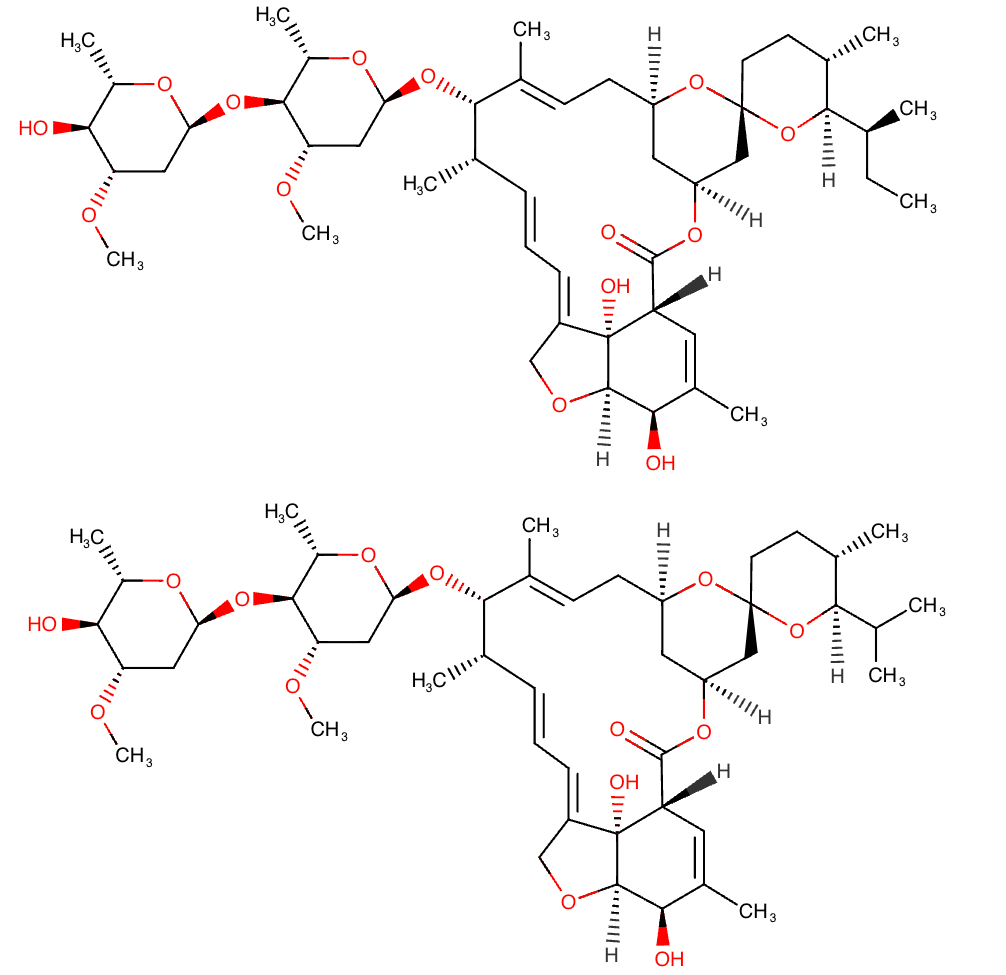
It is not an established COVID-19 antiviral. The laboratory findings that originally justified investigation did not translate into meaningful benefit in larger randomized human trials.
It is not currently an established cancer treatment. Preclinical findings are interesting enough that human oncology trials are occurring, but preliminary combination-trial data are not equivalent to proof of efficacy.
It is not a universal parasite cleanse. Parasitic diseases are different infections requiring organism-specific diagnosis and treatment, although legitimate presumptive treatment is used in carefully defined high-risk populations.
It is not reasonable to substitute veterinary formulations for human medicine merely because the active ingredient has the same name.
It is also not merely “horse paste,” and pretending that it is only makes accurate medical communication harder.
Those realities can all be true simultaneously.
For people interested in preparedness, there is a larger issue behind this conversation that deserves its own article. Medications are appealing preparedness items because they are compact, powerful, and difficult to replace when supply chains fail. That raises important questions about prescription access, shelf life, temperature sensitivity, expiration dates, degradation, packaging, legitimate emergency medication kits, antibiotic stewardship, controlled substances, and which drugs can realistically be used without laboratory support or professional monitoring.
Eventually that discussion reaches a much darker boundary. Modern medicine depends on sterile manufacturing, global pharmaceutical supply chains, electricity, refrigeration, oxygen production, laboratories, imaging, blood banking, dialysis, surgical capability, pharmacies, transportation, and trained personnel. In a short disaster, preparedness can bridge interruptions in that system. In a sufficiently prolonged total infrastructure collapse, no collection of pills in a closet recreates modern medicine. The problem eventually becomes not how long we can store our medications, but which parts of contemporary medical care can continue to exist when the systems manufacturing and safely administering those medications no longer function.
That deserves a separate deep dive.
For now, ivermectin provides an unusually useful lesson because its legitimate history is impressive enough without mythology. The drug does not need to cure COVID-19, cure cancer, or cleanse every person of invisible parasites in order to matter. It already helped transform the treatment of devastating parasitic disease and remains useful medicine when used for conditions it actually treats. Separating that reality from the claims built around it is not an argument for unquestioning faith in medical institutions. It is an argument for something considerably more useful: applying the same demanding standard of evidence to everyone who wants us to believe them.
– Benjamin F., NR-P
Sources:
Nobel Assembly at Karolinska Institutet. “The 2015 Nobel Prize in Physiology or Medicine.” Nobel Prize Outreach, 2015.
Campbell, William C., et al. “Ivermectin: A Potent New Antiparasitic Agent.” Science, vol. 221, 1983, pp. 823-828.
Merck & Co. “35 Years: The Mectizan Donation Program.” Merck, 2022.
Mectizan Donation Program. “History of the Program.” Accessed 2026.
World Health Organization. “Onchocerciasis.” WHO, 4 Dec. 2025.
World Health Organization. “Elimination of Human Onchocerciasis: Progress Report, 2024-2025.” Weekly Epidemiological Record, 2025.
World Health Organization. “WHO Verifies Niger as the First Country in the African Region to Eliminate Onchocerciasis.” WHO, 30 Jan. 2025.
U.S. Food and Drug Administration. “Ivermectin and COVID-19.” FDA, current version accessed 2026.
U.S. Food and Drug Administration, Center for Veterinary Medicine. CVM GFI #234: Question-Based Review for the Chemistry, Manufacturing, and Controls Technical Section of Animal Drug Applications. FDA.
DailyMed. “Stromectol: Ivermectin Tablet, Human Prescription Drug Label.” U.S. National Library of Medicine.
DailyMed. “Ivermectin Paste 1.87%: OTC Animal Drug Label.” U.S. National Library of Medicine.
Centers for Disease Control and Prevention. “Clinical Care of Strongyloides.” CDC, 16 Feb. 2024.
Centers for Disease Control and Prevention. “Clinical Treatment of Onchocerciasis.” CDC, 13 May 2024.
Centers for Disease Control and Prevention. “Guidance for Overseas Presumptive Treatment of Strongyloidiasis, Schistosomiasis, and Soil-Transmitted Helminth Infections for Refugees Resettling to the United States.” CDC, 30 Jan. 2025.
Centers for Disease Control and Prevention. “Intestinal Parasites: Domestic Guidance.” CDC, 2025.
Caly, Leon, et al. “The FDA-Approved Drug Ivermectin Inhibits the Replication of SARS-CoV-2 In Vitro.” Antiviral Research, vol. 178, 2020, article 104787.
Schmith, Virginia D., Jie Jessie Zhou, and Lauren R. L. Lohmer. “The Approved Dose of Ivermectin Alone Is Not the Ideal Dose for the Treatment of COVID-19.” Clinical Pharmacology & Therapeutics, vol. 108, 2020, pp. 762-765.
Wagstaff, Kylie M., et al. “Ivermectin Is a Specific Inhibitor of Importin α/β-Mediated Nuclear Import Able to Inhibit Replication of HIV-1 and Dengue Virus.” Biochemical Journal, vol. 443, 2012, pp. 851-856.
Wolff, Georg, et al. “A Molecular Pore Spans the Double Membrane of the Coronavirus Replication Organelle.” Science, vol. 369, 2020, pp. 1395-1398.
Lawrence, Jack M., et al. “The Lesson of Ivermectin: Meta-Analyses Based on Summary Data Alone Are Inherently Unreliable.” Nature Medicine, vol. 27, 2021, pp. 1853-1854.
Hill, Andrew, Manya Mirchandani, and Victoria Pilkington. “Ivermectin for COVID-19: Addressing Potential Bias and Medical Fraud.” Open Forum Infectious Diseases, vol. 9, no. 2, 2022.
Davey, Melissa. “Huge Study Supporting Ivermectin as Covid Treatment Withdrawn over Ethical Concerns.” The Guardian, 15 July 2021.
Popp, Maria, et al. “Ivermectin for Preventing and Treating COVID-19.” Cochrane Database of Systematic Reviews, Issue 6, 2022.
Reis, Gilmar, et al. “Effect of Early Treatment with Ivermectin among Patients with Covid-19.” The New England Journal of Medicine, vol. 386, 2022, pp. 1721-1731.
Naggie, Susanna, et al. “Effect of Ivermectin vs Placebo on Time to Sustained Recovery in Outpatients With Mild to Moderate COVID-19.” JAMA, 2022.
Naggie, Susanna, et al. “Effect of Higher-Dose Ivermectin for 6 Days vs Placebo on Time to Sustained Recovery in Outpatients With COVID-19.” JAMA, vol. 329, 2023, pp. 888-897; corrected 16 May 2024.
JAMA. “Errors in Results From Erroneous Exclusion of Participants in Analysis.” JAMA, vol. 331, 2024, p. 1867.
Centers for Disease Control and Prevention. “Rapid Increase in Ivermectin Prescriptions and Reports of Severe Illness Associated with Use of Products Containing Ivermectin to Prevent or Treat COVID-19.” Health Alert Network, 26 Aug. 2021.
Apter v. Department of Health and Human Services. U.S. Court of Appeals for the Fifth Circuit, 1 Sept. 2023.
Apter et al. v. Department of Health and Human Services et al. Stipulation of Dismissal and Settlement, U.S. District Court for the Southern District of Texas, 21 Mar. 2024.
U.S. House Select Subcommittee on the Coronavirus Crisis. Preparing for and Preventing the Next Public Health Emergency: Lessons Learned from the Coronavirus Crisis. U.S. House of Representatives, 2022.
Bergengruen, Vera. “How ‘America’s Frontline Doctors’ Sold Access to Bogus COVID-19 Treatments and Left Patients in the Lurch.” TIME, 26 Aug. 2021.
Bergengruen, Vera. “How an Online Pharmacy Sold Millions Worth of Dubious COVID-19 Drugs While Patients Paid the Price.” TIME, 13 Oct. 2021.
Federal Trade Commission. “FTC Names 25 Sellers Who Must Stop Making Unsubstantiated COVID Treatment Claims.” FTC, 19 Jan. 2022.
Patel, Yash, Jyotsna Chawla, and Mayur S. Parmar. “Ivermectin in Cancer Treatment: Should Healthcare Providers Caution or Explore Its Therapeutic Potential?” Current Oncology Reports, vol. 27, no. 9, 2025, pp. 1070-1079.
American Cancer Society. “What to Know About Ivermectin.” American Cancer Society, 21 May 2026.
American Society of Clinical Oncology. “Oncologists Urged to Take Proactive Approach When Discussing Ivermectin, Fenbendazole.” ASCO, 17 June 2026.
ClinicalTrials.gov. “Ivermectin in Combination With Balstilimab or Pembrolizumab in Patients With Metastatic Triple Negative Breast Cancer.” NCT05318469.
Yuan, Yuan, et al. “A Phase I/II Study Evaluating the Safety and Efficacy of Ivermectin in Combination with Balstilimab in Patients with Metastatic Triple Negative Breast Cancer.” Journal of Clinical Oncology, 2025 ASCO Annual Meeting.
ClinicalTrials.gov. “Ivermectin Combined With Immune-Checkpoint Inhibition in Cancer (ICONIC).” NCT07487805.
Neilson, Taylor, et al. “Ivermectin Use in Patients with Cancer over the Past Decade at an Academic Cancer Center.” Journal of Clinical Oncology, 2026 ASCO Annual Meeting.
Olutayo, Emmanuella, et al. “A Single Institutional Experience on Patterns of Ivermectin and Fenbendazole Use among Patients with Gastrointestinal Cancers.” Journal of Clinical Oncology, 2026.
Jiang, Changchuan, Reshma Jagsi, and Xin Hu. “Trends in Ivermectin Medication Records with Cancer as the Primary Diagnosis Following Public Attention: A National EHR Analysis.” Journal of Clinical Oncology, 2026 ASCO Annual Meeting.
Centers for Disease Control and Prevention. “COVID-19 Treatment Clinical Care for Outpatients.” CDC, 5 Feb. 2026.